


Construction Structure and Developments in the UK
Construction is the backbone of any thriving community. It shapes the spaces where we live, work, and play. Over the years, the way we build has evolved dramatically. New materials, smarter designs, and better planning have transformed construction from a simple craft into a complex, innovative industry. Today, I want to take you on a journey through the world of construction structures and developments, focusing on what’s changing and what’s staying strong in the UK.
Understanding Construction Structures
When we talk about construction structures, we mean the framework that supports a building. This includes everything from the foundation to the roof. The structure must be strong enough to hold the building up and safe enough to protect the people inside.
Types of Construction Structures
There are several common types of structures used in construction today:
Load-bearing structures: These carry the weight of the building and transfer it to the ground. Brick walls and concrete blocks are typical examples.
Frame structures: Made from steel or timber, these create a skeleton that supports the building. They allow for more open spaces inside.
Shell structures: These use curved surfaces like domes or arches to carry loads efficiently.
Tensile structures: Made from fabric or membranes stretched over a frame, often used in modern stadiums or pavilions.
Each type has its strengths and weaknesses. For example, frame structures are popular in the UK for their flexibility and speed of construction. They also work well with modern insulation and energy-saving techniques.
Materials Shaping Modern Construction
Materials are the heart of any structure. The UK construction industry has seen a shift towards sustainable and durable materials. Here are some key players:
Steel: Strong, flexible, and recyclable. Steel frames are common in commercial buildings and high-rises.
Concrete: Versatile and fire-resistant. New mixes include recycled content to reduce environmental impact.
Timber: Making a comeback with engineered wood products like cross-laminated timber (CLT). Timber is renewable and offers a warm aesthetic.
Glass: Used not just for windows but as structural elements in modern designs.
The choice of materials affects not only the strength but also the look and feel of a building. For example, timber structures bring a natural touch, while steel and glass create sleek, modern lines.
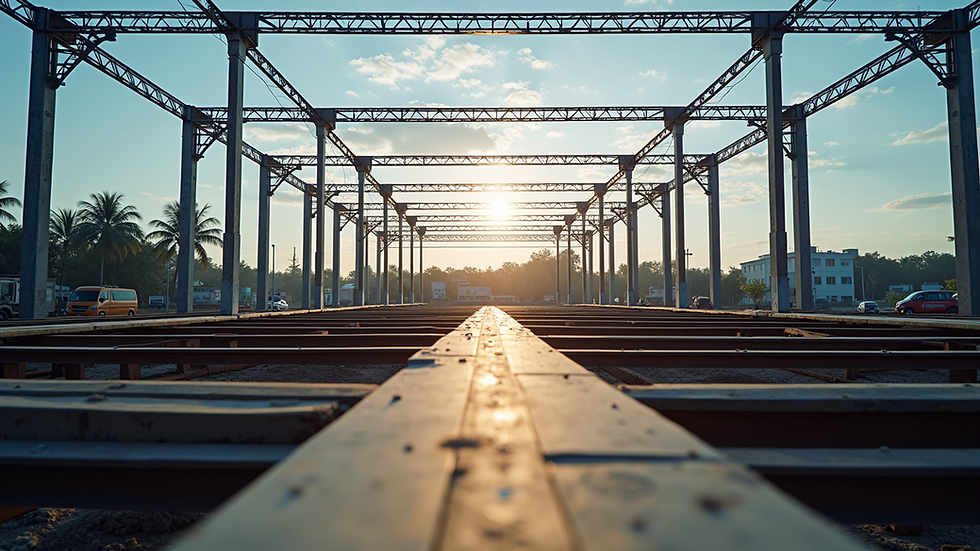
Steel frame structure in progress showing modern construction techniques
Recent Developments in UK Construction
The UK construction scene is buzzing with new ideas and technologies. These developments aim to make buildings safer, greener, and more efficient.
Prefabrication and Modular Building
One of the biggest shifts is towards prefabrication. This means parts of a building are made off-site in factories and then assembled on-site. It speeds up construction and reduces waste.
Modular buildings are a great example. They are built in sections and can be stacked or arranged in various ways. This method is popular for housing projects and schools, where time and cost savings are crucial.
Smart Buildings and Technology
Technology is changing how we design and manage buildings. Smart sensors can monitor temperature, lighting, and energy use. This helps reduce costs and improve comfort.
Building Information Modelling (BIM) is another game-changer. It creates digital models of buildings before construction starts. This helps spot problems early and coordinate teams better.
Sustainable Construction Practices
Sustainability is no longer optional. The UK government and industry leaders push for greener buildings. This means using renewable materials, improving energy efficiency, and reducing carbon footprints.
For example, using cross-laminated timber (CLT) in construction can cut emissions compared to steel or concrete. Also, integrating solar panels and green roofs helps buildings generate their own energy.
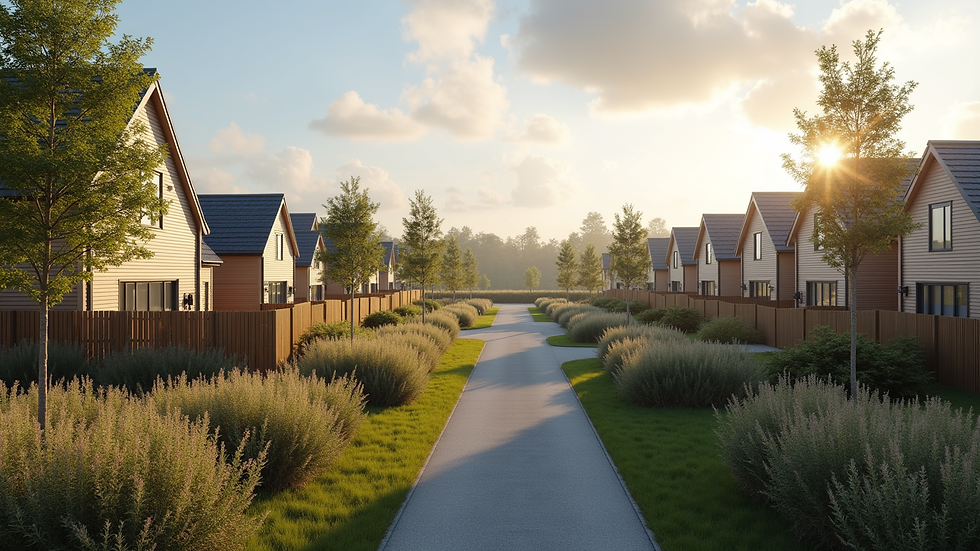
Modular housing units assembled on site demonstrating efficient building methods
Comparing Two Construction Services for Modern Projects
When planning a new development, choosing the right construction service is key. Let’s look at two options that stand out in the UK market.
Service 1: Structural Steel Fabrication
Structural steel fabrication involves creating steel components tailored to a project’s needs. This service offers:
Precision manufacturing for complex designs
Fast assembly on-site
High strength and durability
Recyclability and sustainability
Steel fabrication suits large commercial buildings and high-rises. It supports open floor plans and can handle heavy loads.
Service 2: Cross-Laminated Timber (CLT) Construction
CLT construction uses large wooden panels glued together in layers. This service provides:
Renewable and eco-friendly materials
Faster build times compared to traditional timber
Good thermal insulation
Aesthetic appeal with natural wood finishes
CLT is ideal for residential buildings, schools, and mid-rise offices. It offers a warm, natural look while meeting modern performance standards.
Both services have their place. Steel fabrication excels in strength and flexibility, while CLT shines in sustainability and speed. Depending on your project’s goals, one might fit better than the other.
For more details on these services, you can explore Steel Fabrication Services and CLT Construction Solutions.

Installation of cross-laminated timber panel showing modern sustainable building
Planning for the Future of Construction
Looking ahead, construction in the UK will continue to evolve. Here are some trends to watch:
Increased use of renewable materials: Timber and recycled products will grow in popularity.
More off-site construction: Prefabrication and modular building will become standard.
Greater integration of technology: Smart buildings and BIM will improve efficiency.
Focus on energy efficiency: New regulations will push for greener designs.
These changes mean better buildings for everyone. They will be safer, more comfortable, and kinder to the planet.
Final Thoughts on Construction Structure and Developments
Construction is more than bricks and mortar. It’s about creating spaces that last and serve people well. The UK’s construction industry is embracing new materials, smarter methods, and greener goals. Whether you’re building a home or a large development, understanding these trends helps you make better choices.
Remember, the right structure and materials can save time, money, and the environment. Services like structural steel fabrication and cross-laminated timber construction offer exciting options for modern projects. They show how tradition and innovation can work hand in hand.
If you want to explore how these developments can fit your next project, consider reaching out to experts who make design and planning straightforward and accessible. After all, building the future starts with a strong foundation today.


Comments